

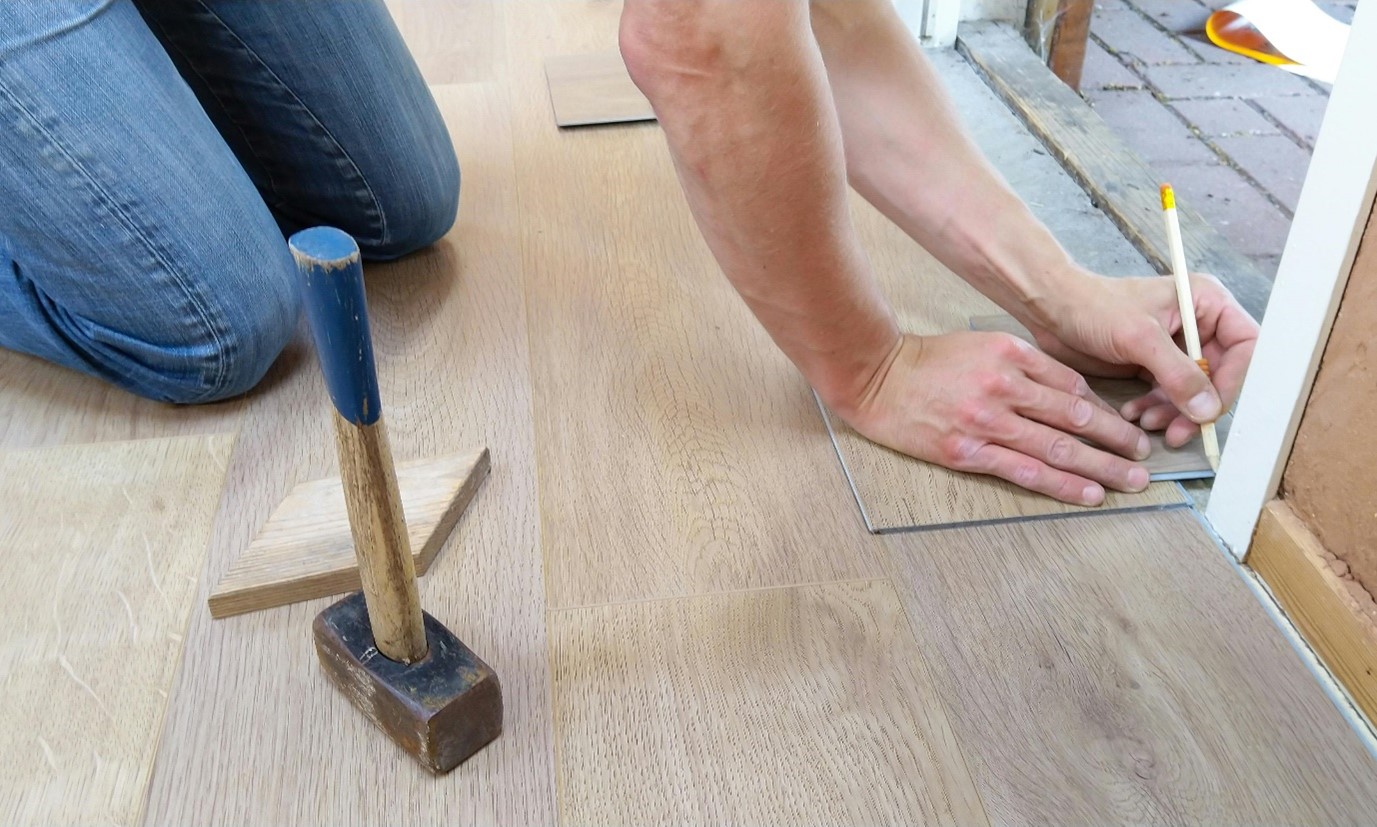
Renovating your home is the perfect opportunity to choose materials that not only look good but also reduce your environmental impact. One of the most popular flooring options in recent years has been LVT (Luxury Vinyl Tile) – a material praised for its durability, affordability, and stylish finishes. But behind its sleek appearance lies a significant environmental cost.
In this guide, we’ll explore the eco-issues associated with LVT flooring, share greener flooring alternatives, and give you practical tips for disposing of old flooring waste responsibly, especially if you’re planning a renovation project in Ireland.
The Environmental Cost of LVT Flooring
LVT flooring is made from PVC (polyvinyl chloride), a plastic derived from petroleum. The production process is energy-intensive, involving harmful chemicals like chlorine, plasticisers, and stabilisers that can emit toxic pollutants during manufacturing and disposal.
According to a report by the Center for Environmental Health (CEH), many LVT products used in schools and homes are linked to high levels of climate-damaging pollution and toxic exposure risks.
Key issues with LVT flooring:
- Made from fossil fuels
- Contains phthalates and VOCs (volatile organic compounds)
- Difficult to recycle
- Non-biodegradable and contributes to landfill waste
While LVT may be water-resistant and easy to maintain, its eco-footprint raises red flags for environmentally conscious renovators.
Sustainable Alternatives to LVT Flooring
Fortunately, there are eco-friendly flooring options available that offer the same practicality and aesthetic appeal – without the environmental damage.
-
Bamboo Flooring
Bamboo grows incredibly fast, making it a highly renewable resource. It’s durable, naturally water-resistant, and now available in many modern finishes. Just ensure it’s FSC-certified to avoid unethical harvesting.
-
Cork Flooring
Harvested from cork oak trees without harming the plant, cork is biodegradable, naturally antimicrobial, and provides excellent insulation. It’s ideal for living areas and even bedrooms.
-
Recycled Timber or Reclaimed Wood
Opting for salvaged or reclaimed wood flooring reduces demand for virgin materials. These floors often have more character and age beautifully. Make sure the wood is treated and sealed properly.
-
Linoleum (Not Vinyl!)
Often confused with vinyl, true linoleum is made from natural linseed oil, cork dust, and wood flour. It’s fully biodegradable and free from PVC, making it an excellent LVT alternative.
-
Natural Stone or Ceramic Tile
Though heavier on emissions during transport, stone and ceramic are long-lasting and inert, meaning they won’t release toxins into the home. They also pair well with underfloor heating.
This article from Citizen Sustainable goes into detail about why choosing natural materials is a better long-term strategy for environmental health and indoor air quality.
How to Dispose of Your Old LVT Flooring
If you’re ripping up old LVT floors, skip hire is one of the most practical waste disposal options – especially if you’re renovating multiple rooms or working on a timeline.
Here’s how to dispose of LVT flooring responsibly:
- Use licensed skip hire services like hireaskiponline.ie to ensure your waste is collected and sorted according to Irish regulations. We work with authorised waste facilities that follow EPA-compliant disposal routes.
- Segregate flooring waste if possible. If you’re disposing of other types of flooring (e.g. wood or tiles), keep them separate from LVT so that recyclable materials don’t become contaminated.
- Check with your local recycling centre, but be aware that most do not accept LVT due to its chemical makeup and contamination risks.
- For smaller amounts of waste, a skip bag or man and van collection may be a more cost-effective option, especially if you’re only doing one room.
Sustainable Flooring Tips Every Renovator Should Know
Planning a floor replacement? Here are quick tips to stay green:
- Buy only what you need: Over-ordering leads to waste. Measure precisely.
- Check for certifications: Look for FSC, Cradle to Cradle, or GREENGUARD logos.
- Use eco adhesives and underlay: Traditional products may contain harmful chemicals.
- Hire local: Sourcing and installing locally made flooring reduces transport emissions.
- Book skip hire in advance: Plan waste disposal around your flooring delivery to save time and space.
Need help deciding what size skip is right for your job? Check out our blog:
Skip Sizes Explained: Which One Do You Need?
FAQs
Q: Is LVT flooring recyclable in Ireland?
A: Generally, no. LVT contains mixed plastics and additives that make it hard to recycle. It’s typically disposed of in landfills or incinerators.
Q: What’s the most eco-friendly flooring for kitchens or bathrooms?
A: Bamboo, cork, linoleum and ceramic tiles are excellent for wet areas and have a far lower environmental impact than LVT.
Q: Can I put LVT flooring in a skip?
A: Yes – LVT is classified as general renovation waste. Just be sure to use a skip hire provider that follows proper waste management practices.
Q: Are skip bags better than skip hire for flooring waste?
A: For small or single-room projects, skip bags can be a flexible and cost-effective option. For larger renovations, a skip offers better value.
Summary
If you’re upgrading your floors, don’t let LVT be the easy-but-dirty solution. There are plenty of eco-friendly flooring options that look just as good and last just as long – without the heavy toll on the planet.
When it’s time to dispose of your old flooring, hireaskiponline.ie makes it simple to do the right thing. Whether you need a mini skip, skip bag, or man and van collection, we’ve got your flooring waste covered – affordably, responsibly, and locally.

