

When you hire a skip for your home renovation, garden clearance, or commercial project, it’s easy to assume that your waste simply “goes away.” But what really happens once that skip is loaded onto the wagon and taken off-site?
In this article, we’ll explore the full journey your waste takes after collection—right here in Ireland. From initial sorting to recycling, waste-to-energy processes and the final option of landfill, understanding this lifecycle can help you make more environmentally conscious decisions.
At hireaskiponline.ie, our licensed waste professionals always make sure your waste is disposed of responsibly and according to Irish Waste Regulations. For more information on Waste Management Practices, read our article ‘The Hierarchy of Waste‘.
Initial Transport & Sorting
Once your skip is collected, the contents are transported to a licensed waste transfer station. These are regulated facilities where waste is temporarily stored and sorted before being sent to its next destination.
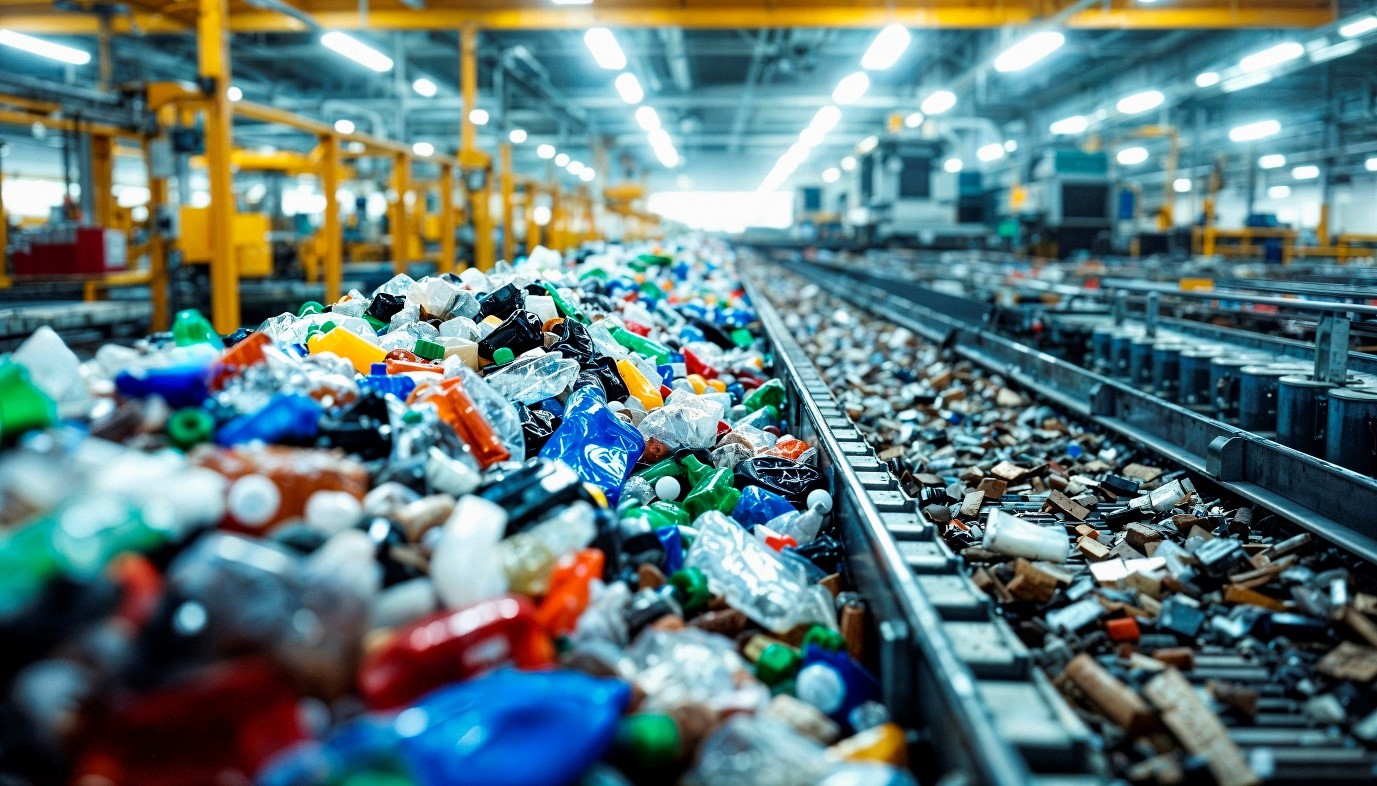
In Ireland, all waste operators must comply with the Waste Management Act 1996, which mandates proper sorting and disposal practices. At the transfer station, waste is segregated using a combination of manual picking, conveyor belts, shredders, and screening machinery.
Typical categories of waste include:
- Wood
- Metal
- Plastics
- Cardboard & paper
- Rubble & concrete
- General residual waste
Pro Tip: If you separate recyclables like metal or cardboard before loading your skip, it reduces sorting time and maximises recycling potential. Irish waste stations can recover between 70-90% of your skip waste if it has been pre-sorted.
Take a look at our article on what you can (and can’t) put in a skip here.
Recycling: What Gets Reused
Ireland has made significant strides in recycling, particularly under the influence of EU directives. According to the Environmental Protection Agency (EPA), the recycling rate for municipal waste in Ireland stood at 41% in 2021, with targets to increase this further.
Here’s what commonly gets recycled from skip waste:
- Metals (copper, steel, aluminium): Sent to specialist plants to be melted and reused.
- Wood: Can be chipped and reused for chipboard, biomass fuel or animal bedding.
- Hard plastics: Sorted by polymer type and colour, then shredded and remanufactured.
- Cardboard & paper: Baled and sent to mills in Ireland or Europe for reuse.
- Concrete, brick, and stone: Crushed and reused as hardcore material for construction or road building.
Waste-to-Energy (WTE) in Ireland
For non-recyclable waste, one increasingly common destination is a waste-to-energy facility. In Ireland, facilities like the Dublin Waste to Energy plant in Poolbeg play a key role in managing residual waste.
Here’s how WTE works:
- Residual waste is incinerated at high temperatures.
- The heat produced generates steam, which powers turbines to produce electricity.
- Scrubbers and filters clean the emissions to reduce environmental impact.
- Metals are recovered from the ash and recycled; ash itself may be used as aggregate.
According to Covanta, the Dublin WTE facility processes over 600,000 tonnes of waste annually, generating enough electricity to power 80,000 homes.
Landfill: The Last Resort
Landfilling is the least desirable option, both economically and environmentally. Due to EU regulations and Ireland’s national waste strategy, the country is moving away from landfill use.
However, certain materials that can’t be recycled or incinerated (such as some hazardous waste or contaminated material) still end up here. These sites are highly regulated, requiring protective liners, leachate collection systems, and methane gas management.
Current recycling statistics in Ireland:
- According to a study by the Central Statistics Office (CSO) only 14% of Ireland’s municipal waste was landfilled in 2022, as opposed to 67% in the 2001-2004 time period.
- Many counties, including Dublin and Meath, now rely heavily on recycling and WTE instead.
Read our article ‘Why Recycling Matters: Ireland’s Waste Targets Explained‘ for more information.
Best Practices: How You Can Help
The journey of your waste doesn’t start at the transfer station – it begins with how you fill your skip. By making informed choices, you help reduce landfill dependence and support the circular economy.
Tips for better skip waste outcomes:
- Sort waste before loading: Separate recyclables and avoid mixing hazardous materials.
- Know what’s prohibited: Items like tyres, asbestos, paint tins, and electrical goods need separate disposal.
FAQs
Q: Does all waste from a skip go to landfill?
No, in Ireland a large portion is recycled or sent to waste-to-energy plants. Landfill is a last resort.
Q: Can I help reduce what ends up in landfill?
Absolutely. Pre-sorting waste and choosing a responsible skip hire company goes a long way.
Q: Are skip companies in Ireland regulated?
Yes, all operators must be licensed and adhere to EPA and local authority regulations.
Summary
Understanding what happens to your waste after collection helps you become a more responsible consumer. From advanced sorting technologies to Ireland’s growing use of waste-to-energy plants, there are more ways than ever to reduce the environmental impact of your project.
Looking to hire a skip with a sustainable edge? Check out our range of skip sizes here!

