

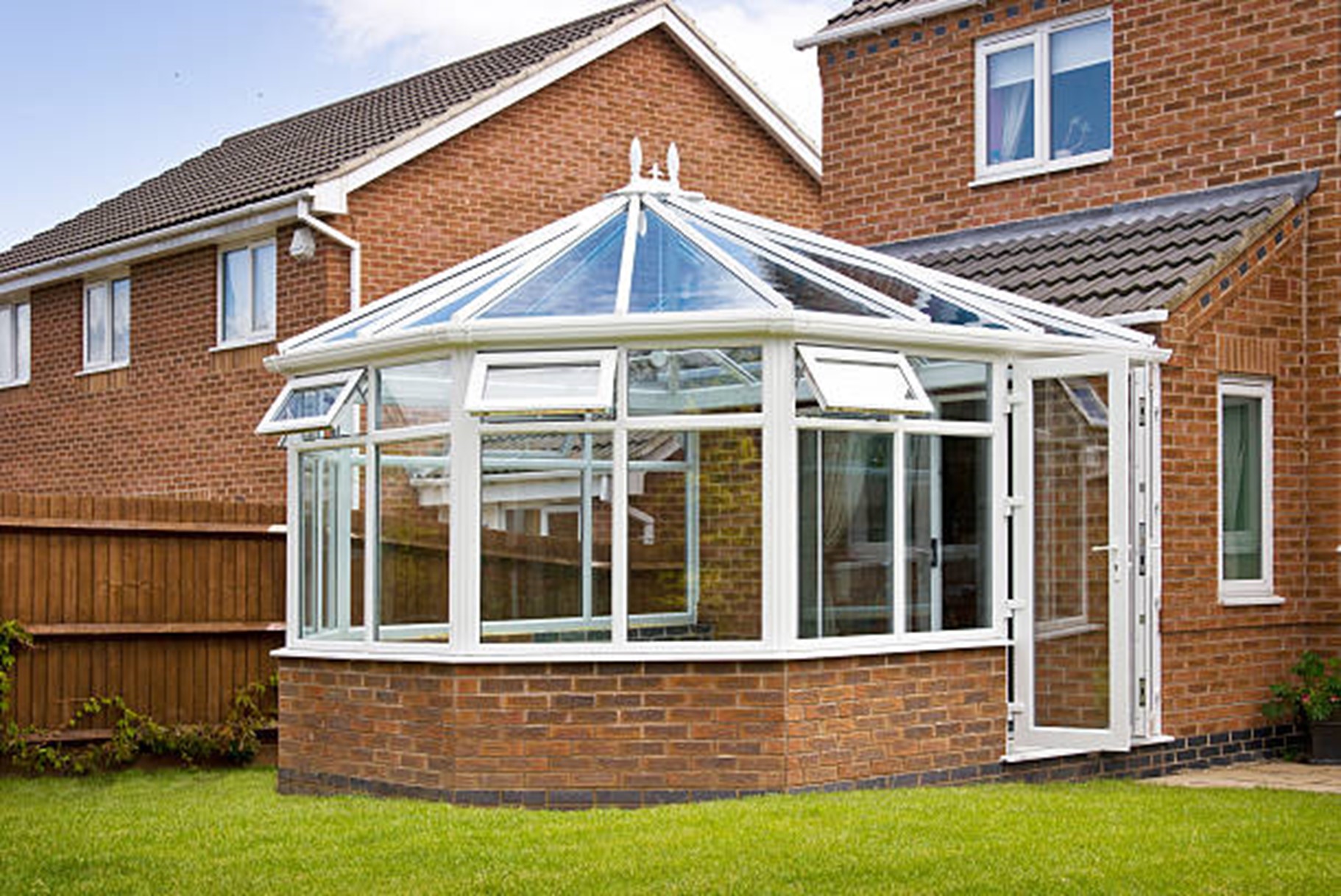
Building a conservatory is one of the most rewarding home improvements, but without the right planning and preparation, what should be a dream transformation can quickly become a logistical nightmare. In this guide, we’ll walk you through essential steps – from navigating Ireland’s planning rules and laying a sturdy foundation, to selecting the right skip for efficient waste disposal. Doing it right means a smooth build and a home you’ll enjoy for years to come.
Navigating Planning Permission in Ireland
In many cases, you don’t need planning permission if your conservatory:
- Is located at the rear of your house
- Remains at ground level and does not exceed 40 sqm floor area (~430 sq ft)
- Keeps at least 25 sqm of private garden space remaining
- Doesn’t have glass facing a neighbour within 1 m of your boundary
If any condition above isn’t met, or if you’re in a protected structure, conservation area, or have deed restrictions, you must apply for planning permission. For precise rules or pre-consent advice, check your local council’s planning pages or contact a planning consultant.
This Citizens Information article provides more information on Planning Permission.
Preparing the Site: Foundation, Glazing & Build Tips
1: Groundwork and Foundations
- Site clearance: Remove existing patios, decking, or shrubbery where the conservatory will stand. At this stage, it’s best to be prepared and have a skip ready, so the waste doesn’t hamper your access to the build! Check out our guide on How to Prepare for Skip Delivery: Driveway, Space & Access Tips.
- Marking out: Set out the footprint using string lines and stakes to match your design.
- Excavation: Dig foundation trenches, the depth of these trenches will depend on the size and type of your conservatory, but the foundations should typically be between 600-1000mm deep. If your conservatory is larger, you may need deeper foundations.
- Concrete pouring: A reinforced concrete base is laid to provide stability. In clay soils or damp areas, additional drainage and damp-proof membranes are essential.
2: Building the Base and Walls
- A dwarf wall (usually 600-800mm high) is built in brick or blockwork. This wall supports glazing and provides insulation.
- Alternatively, a full-height glazed frame can be fitted directly to the base slab if a more modern look is desired.
- Insulation boards are added beneath the floor screed to improve thermal performance.
3: Frames, Glazing and Roof
- Frames: Most conservatories use uPVC frames for low maintenance, though aluminium and timber are also options. It all depends on your style choices!
- Glazing: Toughened or laminated double-glazed units are fitted into the frames. Self-cleaning or solar-control glass can reduce maintenance and overheating.
- Roof: Choices include glass, polycarbonate, or lightweight tiled systems. Roof vents or trickle vents maintain airflow.
4: Finishing Touches
- Heating & electrics: Make sure to plan out where your electrical sockets, heating sources and lighting fixtures will be going before you start decorating. Many homeowners extend central heating or add underfloor heating.
- Internal finishes: Finally, it’s time to choose your flooring, lighting and skirting boards! Have a look at our guide on Eco-Friendly alternatives to LVT Flooring here.
- External integration: Guttering, downpipes, and flashing ensure watertight connection to the main house.
Tip: A professional contractor will coordinate these steps in sequence, but if you’re full or part-DIY, ensure each stage is signed off before progressing.
Waste Management: What You’ll Need to Dispose Of
Renovation sites generate a range of wastes. Here’s what to expect from your conservatory build:
- Glass offcuts (from windows/roof panels)
- uPVC waste and packaging materials
- Concrete or soil (from foundation excavation)
- Brick rubble or block offcuts
- Mixed waste like no-longer-needed trims and boards
To streamline waste disposal, hireaskiponline.ie makes it simple. Here’s how to choose the right skip size:
A standard 6 yd skip is a reliable choice for most conservatory jobs. Mini skips might suit minor glazing jobs, while 8 yd works for foundation waste dumps.
For a more comprehensive guide on skip sizes check out hireaskiponline.ie’s article: What Size Skip Do I Need guide helps you pick confidently.
FAQs
Q1: Do I always need planning permission for a conservatory?
Not always – if the addition meets permitted development rules (40 sqm, rear of house, etc.). Otherwise, planning approval is required.
Q2: What skip size is best?
Most conservatory builds suit a 6 yd builders skip, but if you have a lot of foundation-heavy waste, an 8yd skip might be better!
Q3: Can I put glass and uPVC in the same skip?
Yes – these are common in mixed home builds. Separate recycling only if required by local council.

