

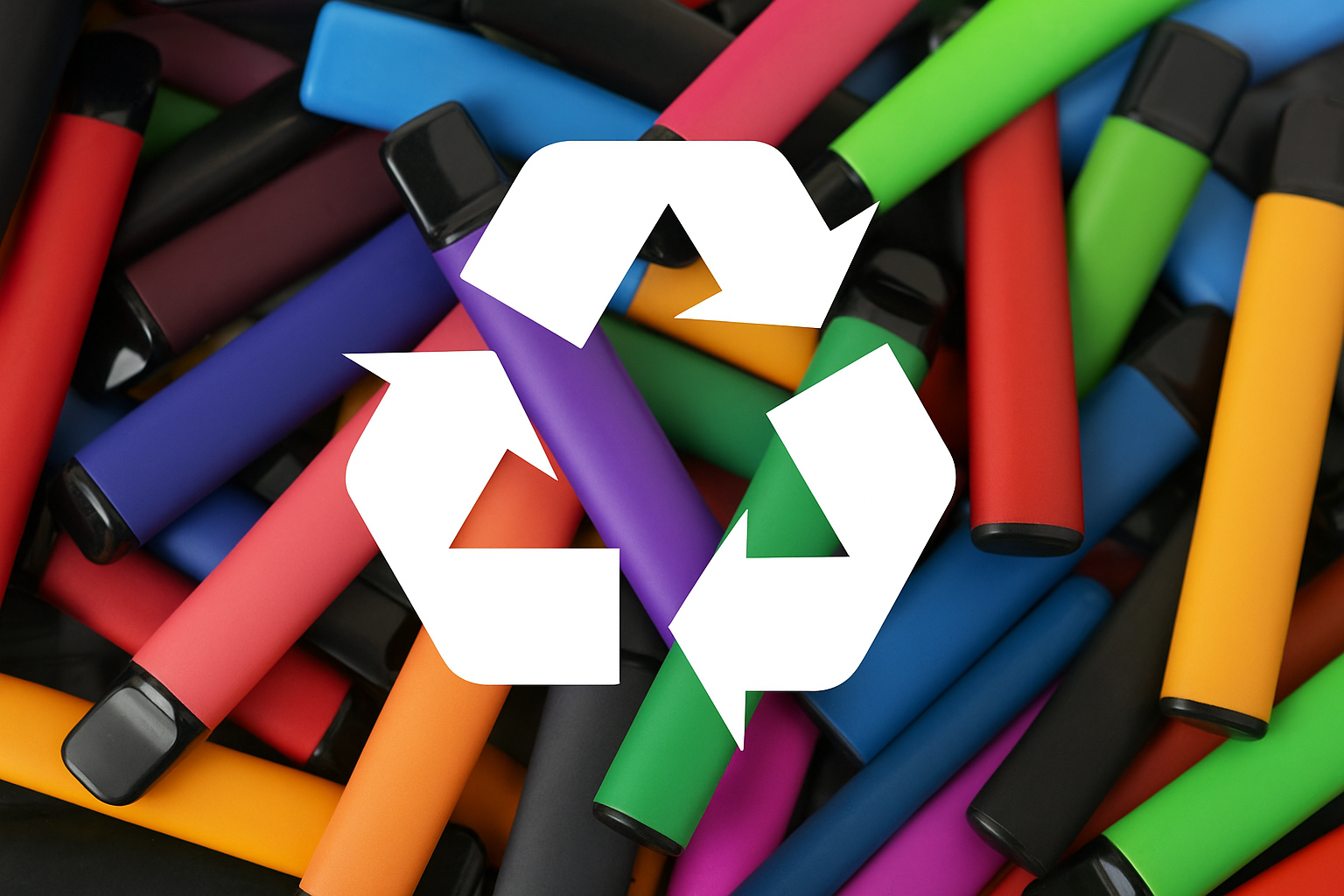
The popularity of vaping continues to rise, but with it comes a growing environmental problem: how to properly recycle and dispose of vape devices. Disposable vapes became a particular flashpoint in the e-waste debate, combining plastics, electronics, and batteries in a single, difficult-to-recycle unit. This is what led the UK and Ireland to implement a single-use disposable vape ban – one that went into effect on the 1st June 2025 (DAERA, 2025.)
For households and businesses trying to manage waste responsibly, ensuring vapes are recycled correctly is critical. If you’re dealing with bulky waste that may include electronics or batteries, Hire A Skip Online offers convenient and licensed waste removal services across Ireland to ensure compliance and responsible disposal.
Why Responsible Vape Disposal Matters for the Environment
The Hidden Hazards of Vapes
Vapes are more than just small gadgets. They contain:
- Lithium-ion batteries – which can spark fires if damaged.
- Plastics & metals – difficult to separate in standard recycling streams.
- Residual nicotine – a toxic chemical that can leach into soil or water.
Improper disposal in general waste or household recycling bins can result in fires, pollution, and resource loss. With millions of vapes discarded annually, the problem is only intensifying. Learn more about what can, and can’t go in a skip in our article here.
Types of Vapes and Their Recycling Challenges
- Disposable vapes: Single-use, pre-filled, usually non-rechargeable. Entire unit is discarded. These have now been banned in the UK and Ireland, with rule-breakers (suppliers) facing a €4000 fine and up to 6 months in prison. The ban has led to a transition to rechargeable and pod-based devices, as well as new ‘hybrid designs’.
- Rechargeable kits: These devices are designed for longer use and can be refilled, reducing the frequency of disposal and associated waste. Though despite having a much longer life, they still generate e-waste from pods, coils, or cartridges.
- Hybrid designs: Since the implementation of the single-use disposable vape ban, the market has seen an influx of large-capacity, rechargeable devices that resemble disposables. Despite having charging ports, they’re not actually built to last – potentially undermining the environmental gains of the ban if not properly managed. The addition of charging ports and advanced circuitry also complicates recycling.
How Effective Has The Ban Been?
The ban was only implemented on the 1st June 2025 in Ireland and the UK, so it’s early days and there isn’t a lot of data yet. However, recent reports from the Surfrider Foundation indicate that coastal clean-up parties are reporting significant decreases in the amount of vapes found during beach clean-ups. Conservationists are hoping that the single-use disposable vape ban will mirror the results of the plastic-bag charge campaign – a campaign that led to the number of plastic bags found on UK beaches down 80%. (The Guardian, 2024)
How to Recycle and Dispose of Vapes Safely
1.Retailer Take-Back Schemes
In Ireland and the UK, retailers selling electricals – including vapes – must provide a take-back option under WEEE regulations. Many vape shops now have dedicated bins for old devices.
2. Electrical & Battery Recycling Points
Most council-run recycling centres accept vapes and batteries. If possible, remove the battery and drop it into a battery recycling bin.
3. Specialist Vape Recycling Programs
Recycling companies and environmental groups are piloting vape-specific schemes to recover lithium, cobalt, and nickel from discarded devices (The First Mile).
4. Never Use Household Bins
Throwing vapes in general rubbish or mixed recycling bins risks fires and contamination. Always use an approved collection route.
Vape Recycling in Ireland: The Challenges
Low Public Awareness
Research shows most users still throw vapes in the bin, unaware of the risks.
Complex Design
With plastics, metals, electronics, and liquid all tightly packed, vapes are costly to recycle.
Regulatory Changes
With the single-use disposable vape ban now in effect, the results of its efficacy will continue to be monitored. However, as we mentioned earlier, if the continued use of the ‘hybrid design’ workarounds persist, it’s likely that stricter measures will be introduced.
How Businesses and Households Can Take Action
- Choose reusable vape devices instead of disposables.
- Return vapes to shops or electrical recycling points.
- Encourage colleagues, family, or community members to recycle properly.
- For businesses with large or mixed waste loads, booking a licensed waste removal service with HireASkipOnline ensures that your waste is processed safely and in line with regulations.
Summary
Vape waste is a growing issue, blending plastics, batteries, and chemicals into a single hazardous item. Recycling is possible — through retailer take-back schemes, electrical recycling points, and specialist programs — but awareness and compliance are crucial.
By switching to reusable devices and disposing of old vapes responsibly, consumers can reduce fire risks, conserve resources, and protect the environment. Businesses and households alike can rely on Hire A Skip Online for compliant waste disposal services that handle electricals safely.
FAQs
Q: Can I put a vape in my household recycling bin?
A: No. Vapes should never go into household recycling or general waste. Always use electrical recycling points or retailer take-back bins.
Q: What happens if I throw vapes in the bin?
A: Batteries can ignite, and chemicals can pollute soil or water. It also wastes valuable materials like lithium.
Q: Are disposable vapes banned in Ireland?
A: Yes. As of 1st June 2025, single-use disposable vapes have been banned in Ireland and the continued sale of the devices can carry a fine of up to €4,000 as well as six months in jail.
Q: How do I recycle vape pods and coils?
A: Return them to retailers or place them in WEEE recycling bins at your local recycling centre.

