

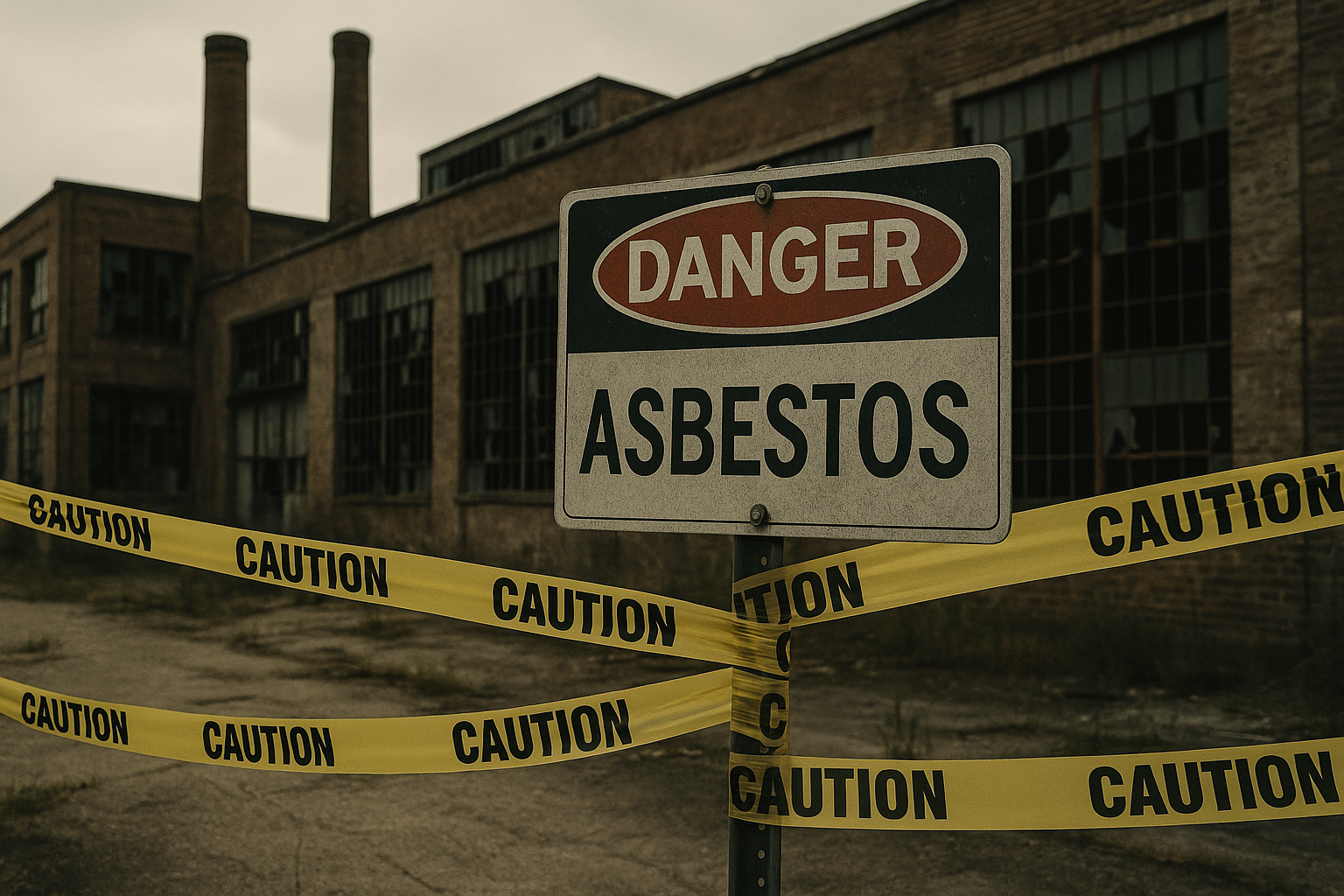
Why it Pays to Recognise Asbestos
Asbestos is a silent hazard in many older structures, especially if you’re renovating or demolishing. Often invisible to the untrained eye, this fibrous mineral can lurk beneath floors, in roofing, or behind walls. Misidentifying or mishandling it can lead to serious health risks – and steep penalties. This guide helps you understand what asbestos might look like, why it’s dangerous, safe handling protocols, and how to dispose of it responsibly.
At HireASkipOnline, we handle all types of waste and can find a disposal solution for you. If you think you’ve found asbestos, get in touch with us here.
Understanding Asbestos: What Is It and Where Is It Found?
Asbestos is a naturally occurring group of fibrous silicate minerals known for their heat resistance and strength. As a result, it was used extensively before the 1980s – when it became widely known how carcinogenic, linked to lung cancer, mesothelioma, and asbestosis, the substance truly is.
Builders commonly encounter asbestos in:
- Loose insulation (fluffy like cotton wool, gray, blue, or brown)
- Spray-on coatings (popcorn ceilings, dust-like texture)
- Cement sheets or roofing materials (corrugated, cement-like appearance)
Asbestos siding, floor tiles, vermiculite insulation, and black mastic adhesives (used under older flooring) are also key suspect materials.
Origin & Risks: Why Asbestos Was Used – and Why It’s Dangerous
Historically, asbestos was prized for fire resistance, durability, and insulating qualities. As a result, it shows up in everything from roofing to pipe insulation in buildings constructed before the 1980s.
However, asbestos-containing materials (ACMs) can release microscopic fibres into the air – fibres that, once inhaled, dramatically increase the risk of serious respiratory diseases.
For more information on the dangers of asbestos, take a look at this article here.
Identifying Asbestos: What to Look Out For (and What You Can’t See)
Visual Clues:
- Fluffy, cotton-wool-like fill in ceilings or wall cavities
- Corrugated cement or old siding panels
- Textured coatings with fibrous or chalky appearance
- Black adhesive “mastic” under old flooring, flat and with swirl marks
Key Warnings:
- It’s nearly impossible to confirm asbestos visually, only certified lab testing can do that.
- Asbestos has no odour, so smell isn’t a clue.
What to Do:
- If in doubt, assume it’s asbestos. Stop work.
- Contact a HSA-accredited professional for testing or removal.
- Never power-sand, scrape, or disturb it.
Safe Handling & Legal Disposal Guidelines
Legal & Safety Requirements:
- Irish law (Safety, Health and Welfare at Work – Asbestos Regulations 2006) mandates trained professionals for removal and advanced notification to HSA if risk is above permissible levels.
Disposal Protocol:
- Asbestos waste must be double-wrapped in heavy-duty polythene with official Asbestos labelling, inside a red bag, sealed, then placed in a sealed clear asbestos bag.
- Transport requires a Waste Collection Permit (WCP)Â and must be handled by licensed waste collectors who use EPA-licensed hazardous waste facilities.
For more information on Waste Collection Permits, read our article: Waste Collection Permits in Ireland, Who Needs One and Why?
Protect Yourself: PPE and Work Practices
- Always wear respiratory protection (HEPA filter mask), disposable coveralls, gloves, and eye protection.
- Use wet methods (spraying water) to control dust.
- Keep the work area sealed off with plastic sheeting.
- Clean up with HEPA-vacuum only – no domestic cleaning.
Use Registered Waste Disposal Practitioners:
At hireaskiponline.ie – we regularly we work with specialist hazardous waste partners, so no matter what you encounter during your project. We’re equipped to handle it!
Book your skip or rubbish removal service now!
FAQs
Q: Can you identify asbestos just by sight?
No – only lab tests can confirm. Always assume suspected material contains asbestos and call a professional.
Q: What are the dangers?
Inhaling asbestos fibres increases risks of asbestosis, lung cancer, and mesothelioma. Safe handling is essential.
Q: Who can legally remove asbestos?
Only licensed and trained professionals. Notifiable work must be reported to the HSA.
Q: How should asbestos waste be disposed of?
Double-wrapped, labelled, accompanied by a WTF form, and collected by a licensed handler for EPA-approved facilities.
Q: Where to get help for compliance and safety?
Check HSA guidance, EPA waste regulations, and use hireaskiponline.ie for compliant disposal options.

