

 Ireland’s Fast Fashion Frenzy: A Growing Textile Waste Crisis
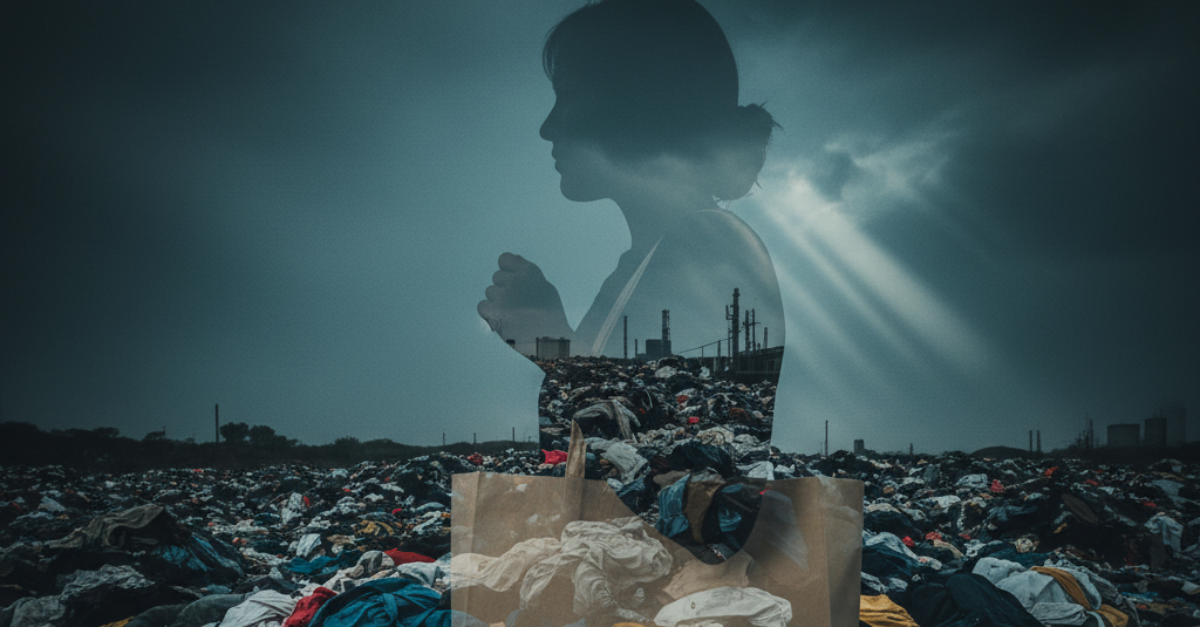
Ireland’s love affair with cheap, disposable fashion is fuelling a serious waste problem. According to the EPA, Irish people consume 53 kg of textiles per capita annually – more than double the European average of 26 kg.
This high consumption translates into a massive mountain of textile waste: researchers estimate around 170,000 tonnes of post-consumer textiles discarded each year in Ireland.
The scale of the issue is staggering, and much of it ends up in the general waste bin – rather than being reused or recycled properly. To learn more about sustainable waste management practices, read our blog on the Hierarchy of Waste.
Where All These Clothes End Up: Landfill, Incineration, or Export
Despite the intention to recycle, much of Ireland’s discarded clothing does not stay here. The Environmental Protection Agency (EPA) reports that 110,000 tonnes of textile waste are discarded annually, mostly via household bins or energy-from-waste facilities.
Only a fraction, about 15,000 tonnes is processed into fibre or rags for recycling each year.
Even more concerning: donated clothes often leave Ireland for export. A report by EY found that many clothing bank items were shipped overseas, with some ending up in countries with limited capacity to handle them. This reveals a troubling gap in traceability – and not all “recycling” claims match what actually happens on the ground.
Why Ireland’s Consumption Is So High – and Why It Matters
There are multiple factors driving the crisis:
- Overconsumption: According to The Rediscovery Centre, Ireland’s textile consumption is significantly higher than the EU average.
- Fast fashion culture: Cheap, trendy clothes from high-street brands and online retailers encourage a “wear once” mentality.
- Lack of awareness: Only about 31% of Irish people recognize the link between their clothing purchases and climate change, according to government data.
- Insufficient local recycling infrastructure: The collection networks (bring-banks, etc.) are not yet on scale to handle the volume.
This combination results in a system that treats clothes like consumables, rather than durable goods, putting enormous pressure on Ireland’s waste infrastructure.
To learn more about Ireland’s waste infrastructure and waste targets, take a look at our article: Why Recycling Matters: Ireland’s Waste Targets Explained.
The Environmental and Social Impacts of Fast Fashion
Carbon & Climate Footprint
The fashion industry globally accounts for about 10% of global greenhouse gas emissions, and textile waste contributes heavily to this. Discarded clothes that are incinerated or landfilled continue to produce carbon emissions, further adding to the problem.
Dumping & Exports
As noted earlier in this article, a substantial portion of the clothing collected in Ireland is exported. This raises concerns around environmental justice, as many exporting countries lack infrastructure to handle the volume.
Social Value Lost
Each piece sent to landfill or waste-to-energy represents a lost opportunity for reuse, repair, or recycling. There’s also a missed opportunity in building repair and resale markets in Ireland, which could support community enterprises, upcycling businesses, and sustainable consumption.
Solutions & Strategies: How Ireland Can Address the Fast Fashion Crisis
- Extended Producer Responsibility (EPR)
Ireland is advancing toward a textile EPR scheme. Under this approach, producers would be financially responsible for the entire lifecycle of their clothing – from production to end-of-life. This could incentivize brands to design for durability, repairability, and recyclability.
- Better Collection Systems
Expanding bring-bank networks and ensuring efficient, well-maintained collection points is critical. MyWaste.ie encourages people to use these networks correctly. It’s also important to improve transparency on what happens to donated textiles.
- Consumer Behaviour Shift
Campaigns like “Reverse the Trend”, launched by the Irish government, seek to reduce overconsumption by encouraging reuse, repair and mindful shopping. Educating consumers about the environmental impact of fast fashion is a key pillar.
- Industrial Innovation
Advanced recycling technologies are emerging. For example, AI-enabled sorting systems (robotics + spectral imaging) can help separate fibres more efficiently, enabling higher-quality textile recycling. Scaling such technology in Ireland could help reduce reliance on landfill or export.
- Integrating Skip Hire & Circular Waste Services
For larger volumes of textile waste (e.g. from clearance, renovation, or major wardrobe downsizing), skip hire or waste removals with hireaskiponline.ie offers a responsible disposal route. We help you segregate textile-specific waste and ensure it’s handled in line with circular-economy practices. Our skip solutions can complement textile bank use and reduce the risk of uncontrolled disposal.
Summary
Fast fashion has enabled us to buy more clothes – but Ireland is paying the environmental and social cost. With over 50 kg of textiles consumed per person each year, and an estimated 170,000 tonnes of post-consumer clothing discarded, the nation faces a serious waste challenge. The solution lies in systemic change: stronger producer responsibility, better collection infrastructure, smarter recycling technology, and shifting consumer habits. For bigger clean-ups, using s hireaskiponline.ie can be a practical and responsible step in closing the loop.
FAQs
Q: How much textile waste does Ireland produce per year?
A: According to EPA-aligned research, Ireland produces around 170,000 tonnes of post-consumer textile waste annually.
Q: What percentage of Irish textile waste is recycled?
A: Only a small part – approximately 9% of collected textiles are recycled into fibre or rags, while the rest often goes to incineration or export.
Q: Do clothes banks in Ireland recycle clothing?
A: Not always. Research indicates that many donated items are exported abroad rather than reused locally.
Q: How can I dispose of a large amount of clothing waste responsibly?
A: For large clear-outs, using a skip from hireaskiponline.ie is a strong option. We support waste segregation and compliant, circular disposal of textiles.
Q: What policy changes are helping solve the problem?
A: Ireland is moving toward a textile Extended Producer Responsibility (EPR) model. This aims to make brands responsible for the lifecycle of their clothing and reduce textile waste.

