

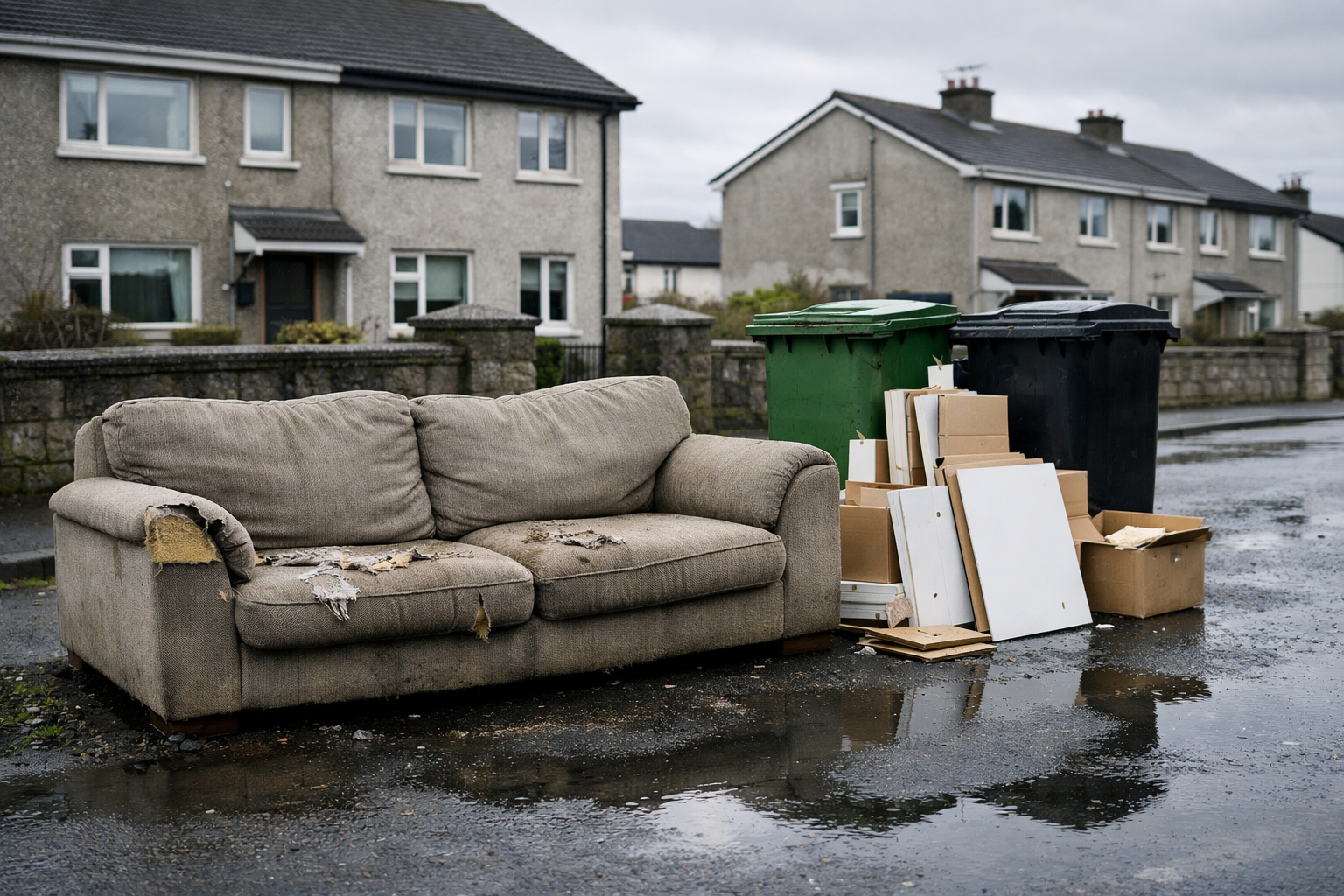
Flat-pack furniture has transformed how people furnish their homes. It is affordable, accessible and easy to transport. However, the rise of “fast furniture” has also created a growing waste problem.
Much like fast fashion, fast furniture prioritises low prices and rapid turnover. Many products are not designed to last decades. Instead, they are often replaced after only a few years due to wear, changing trends or moving house.
For Irish households, this creates a difficult question: what happens to unwanted flat-pack furniture once it reaches the end of its life?
Whether you are clearing out an apartment in Dublin, upgrading a rental property in Cork or replacing damaged furniture after a renovation, disposal can quickly become complicated. For larger clear-outs, many homeowners now choose to arrange waste collection through HireASkipOnline.ie rather than making repeated trips to recycling centres.
What Is Fast Furniture?
Fast furniture refers to inexpensive, mass-produced furniture designed for quick assembly and short-term use. It often mirrors fast fashion trends, encouraging consumers to replace items frequently rather than repair them.
According to an article in The Irish Times, flat-pack furniture has changed consumer behaviour by making furniture more disposable and trend-driven.
Many products use materials such as:
- Particleboard
- MDF (medium-density fibreboard)
- Veneers and laminates
- Plastic fittings
- Mixed composite materials
These materials help reduce manufacturing costs. However, they can also make repair and recycling more difficult.
Unlike solid wood furniture, cheaper flat-pack products often suffer from structural weakness after repeated assembly or movement. Once damaged, many pieces are discarded rather than repaired.
Fast furniture is following the trend of fast fashion and becoming an increasingly difficult challenge for recycling authorities. To read more about the problem of fast fashion, take a look at our article: Fast Fashion’s Final Destination – Ireland’s Textile Waste Problem.
Ireland’s Growing Furniture Waste Problem
Furniture waste is becoming an increasingly significant environmental issue across Europe and Ireland.
Research highlighted by Curiouz notes that millions of tonnes of furniture waste are generated globally every year. Much of this material ends up in landfill because mixed-material products are difficult to recycle efficiently.
The issue becomes more visible during:
- House moves
- Student accommodation clear-outs
- Rental property refurbishments
- Home renovations
- Office upgrades
In Ireland, bulky waste collection systems can struggle during peak periods. Illegal dumping of mattresses, wardrobes and broken flat-pack furniture also remains a persistent problem in some areas.
Furniture waste creates several environmental concerns:
- Timber products may contain glues and resins
- Laminates and plastics are difficult to separate
- Damaged items often cannot be reused
- Landfill disposal generates avoidable emissions
According to Areiva Ireland, higher-quality furniture generally lasts longer and creates less waste over time.
Why Flat-Pack Furniture Is Difficult to Recycle
Many consumers assume furniture can simply go into standard recycling systems. In reality, furniture recycling is far more complex.
Flat-pack products often combine several materials within one item. A wardrobe may include:
- Engineered wood
- Metal hinges
- Plastic runners
- Adhesives
- Glass panels
Separating these materials takes time and labour. Some engineered woods also degrade during processing, limiting recycling options.
MDF and particleboard present particular challenges. These materials contain bonded fibres and chemical adhesives. Recycling facilities may not accept them in large quantities.
Some items can still be recovered for energy generation or material processing. However, badly damaged furniture often has limited recovery value.
The environmental cost extends beyond disposal. According to Hillside Furniture, fast furniture contributes to increased raw material extraction, packaging waste and transportation emissions.
How to Responsibly Dispose of Flat-Pack Waste
Responsible disposal starts with asking one simple question: can the furniture be reused?
If the item remains structurally sound, consider:
- Donating it to charity shops
- Selling it second-hand
- Offering it through local reuse groups
- Upcycling or repainting it
Ireland’s circular economy policies increasingly encourage reuse before disposal.
If reuse is not possible, recycling centres may accept certain furniture types. Local civic amenity sites often take timber, metal and bulky household waste. However, restrictions vary between counties.
For larger projects, transporting furniture yourself may become impractical. Multiple car journeys can quickly increase costs and time.
This is where skip hire becomes useful.
Hiring a skip allows homeowners, landlords and contractors to manage bulky waste efficiently during:
- House clear-outs
- Renovations
- Property sales
- Student accommodation turnover
- Office refurbishments
Using a licensed waste service also reduces the risk of illegal dumping.
If you are planning a renovation or large furniture replacement project, our guide to What Can and Can’t Go in a Skip in Ireland explains which bulky items can be disposed of safely.
The Shift Towards Better Furniture Habits
Consumer attitudes are beginning to change.
Durability, repairability and sustainability are becoming more important purchasing factors. According to EZ Living Furniture, awareness of “fast furniture” has grown alongside broader sustainability concerns.
This shift reflects wider conversations around circular economy thinking in Ireland and across Europe.
Increasingly, consumers are asking:
- Can this item be repaired?
- How long will it realistically last?
- What happens when I no longer need it?
Furniture companies are also facing pressure to improve product lifespan and material recovery systems.
However, affordability remains a major factor for many households. Flat-pack furniture will likely remain popular due to housing pressures, rising rents and changing lifestyles.
The challenge now is reducing the waste that comes with it.
Why Waste Planning Matters During Renovations
Furniture replacement often overlaps with renovation work.
Kitchen upgrades, flooring replacements and bedroom refits generate multiple waste streams simultaneously. Packaging, timber offcuts, damaged furniture and general waste can build up quickly.
Without proper planning, waste can overwhelm household bins or lead to repeated recycling centre visits.
Booking a skip through HireASkipOnline.ie allows homeowners to manage waste more efficiently during larger projects. It also helps ensure materials are processed through licensed waste channels.
Responsible waste handling supports Ireland’s broader environmental goals while making projects easier to manage.
Summary
Fast furniture has changed how people buy, use and dispose of household items. While flat-pack products offer affordability and convenience, they also contribute to growing waste challenges.
Many furniture items are difficult to repair or recycle due to mixed materials and short lifespans. As a result, bulky waste volumes continue to rise.
Responsible disposal starts with reuse wherever possible. Recycling centres and licensed waste services can help manage items that cannot be salvaged.
For larger clear-outs or renovation projects, skip hire often provides the most practical and efficient solution.
FAQs
What is fast furniture?
Fast furniture refers to inexpensive, mass-produced furniture designed for short-term use and rapid replacement.
Can flat-pack furniture be recycled?
Some parts can be recycled, including metal and untreated timber. Mixed-material products are harder to process.
Can I put furniture in a skip?
Many furniture items can go in skips, though restrictions may apply to hazardous materials or electrical components.
What should I do with unwanted furniture in good condition?
Consider donating, reselling or repurposing it before disposal.
Why is furniture waste increasing in Ireland?
Frequent home moves, short product lifespans and low-cost furniture trends are contributing to higher waste volumes.

