

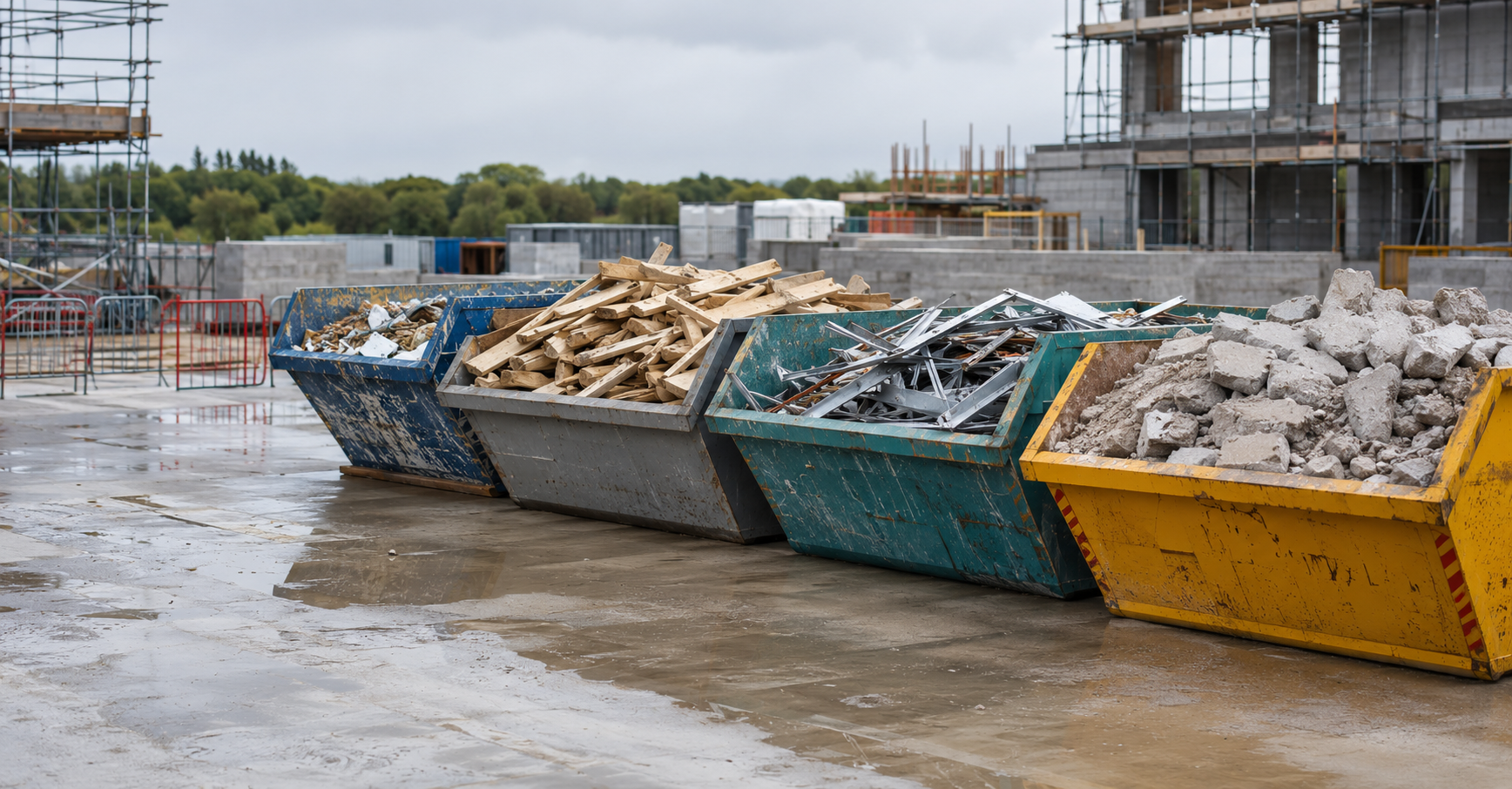
Construction and demolition projects create enormous amounts of waste. Old concrete, timber, plasterboard, bricks and metals can quickly pile up during renovations or building work. In Ireland, managing this waste is not just good practice, it’s a legal responsibility.
Whether you are renovating a house, clearing a commercial site or managing a new-build project, understanding Irish construction and demolition waste regulations is essential. Improper disposal can lead to fines, environmental damage and project delays.
If you are planning a renovation or site clearance, arranging a licensed skip through HireASkipOnline.ie can help ensure waste is handled legally and efficiently from the start.
What Counts as Construction and Demolition Waste?
Construction and demolition (C&D) waste refers to materials generated during building, renovation, excavation and demolition activities.
According to the Environmental Protection Agency (EPA), common examples include:
- Concrete and rubble
- Bricks and tiles
- Timber
- Metals
- Glass
- Soil and stones
- Plasterboard
- Insulation materials
- Packaging waste
C&D waste represents one of the largest waste streams in Europe. The European Commission notes that construction and demolition waste accounts for around 25–30% of all waste generated across the EU. Ireland’s growing housing demand and infrastructure projects continue to increase pressure on waste systems nationwide.
Who Is Responsible for Construction Waste in Ireland?
Responsibility for waste does not disappear once it leaves a site.
Under Irish waste legislation, everyone involved in producing, transporting or handling waste has legal duties. This is often referred to as the “Duty of Care” principle.
According to DAERA’s guidance , waste producers must ensure materials are stored, transported and disposed of responsibly.
This can include:
- Homeowners managing renovations
- Building contractors
- Demolition firms
- Developers
- Waste collection companies
Businesses must also ensure waste is transferred only to authorised waste collectors and licensed facilities.
The EPA states that companies handling construction waste should maintain proper records, including waste transfer documentation and collection records. Failure to comply can lead to enforcement action.
According to HUB360, accountability within the waste chain has become a growing focus as Ireland pushes towards circular economy targets.
Ireland’s Push Towards Recycling Construction Waste
Ireland has significantly increased its focus on recycling construction materials in recent years.
The EPA’s Construction & Demolition Waste Guidelines encourage material recovery and reuse wherever possible. This includes:
- Recycling concrete into aggregate
- Recovering metals
- Reusing soil and stone
- Separating timber for recycling or recovery
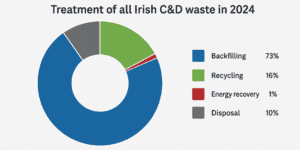
Treatment of all Irish C&D waste in 2024: All information was provided by the EPA
The European Union’s Waste Framework Directive established a target of recovering 70% of non-hazardous construction and demolition waste. Ireland has made progress towards this goal, particularly through improved material segregation and recycling infrastructure. However, challenges remain. Mixed waste loads reduce recycling efficiency. Poor on-site segregation can send recyclable materials directly to landfill. This is why skip planning matters. Using separate skips for timber, rubble and mixed waste can improve recycling rates significantly. It can also reduce disposal costs on larger projects.
If you are unsure which skip type suits your project, our guide to What Size Skip Do I Need? explains the best options for construction and renovation waste.
Hazardous Construction Waste: What Requires Extra Care?
Not all construction waste can go into a standard skip, some materials require specialist handling due to environmental or health risks.
Examples include:
- Asbestos
- Paints and solvents
- Contaminated soil
- Chemical containers
- Certain insulation materials
- Oils and fuels
Asbestos remains one of the most tightly regulated waste materials in Ireland. Improper handling can release dangerous fibres into the air. The EPA advises that hazardous waste must only be handled by licensed operators using approved disposal methods. Plasterboard also requires careful separation – when mixed with biodegradable waste in landfill, it can produce harmful gases. Construction sites should separate hazardous materials early in the project to reduce contamination risks and disposal costs.
To learn more about what can and can’t go in a skip, take a look at our article: ‘What Can and Can’t Go in a Skip in Ireland‘
Why Illegal Dumping Remains a Serious Issue
Construction waste is one of the most commonly fly-tipped waste streams in Ireland. Illegal dumping often occurs because disposal costs are avoided or waste is handled by unlicensed operators. Unfortunately, dumping rubble, timber or plasterboard in rural areas creates serious environmental consequences. Waste can contaminate waterways, damage ecosystems and create public safety hazards. According to ECOS, proper waste management planning is essential for reducing illegal disposal and improving material recovery. Hiring a licensed skip provider helps reduce these risks. It also creates a clear waste trail, ensuring materials are processed through authorised recycling and recovery facilities.
Read more about illegal dumping in our article here: ‘Empire of Waste: Criminal Gangs, Fly-Tipping and Waste Crime‘.
Best Practices for Managing Construction Waste
Good waste management starts before demolition or construction begins.
Builders and homeowners should plan:
- Expected waste volumes
- Material separation
- Skip placement
- Collection schedules
- Hazardous waste handling
On larger projects, waste management plans may also be required under planning or environmental conditions.
Practical steps include:
- Separating materials at source
- Preventing contamination between waste streams
- Ordering correctly sized skips
- Reducing unnecessary packaging
- Prioritising reuse before disposal
Proper planning can reduce landfill use and improve project efficiency. For example, separating clean rubble from mixed waste often allows more material to be recycled into secondary aggregate products. Ireland’s circular economy strategy increasingly encourages this approach.
The Future of Construction Waste in Ireland
Construction waste regulations are likely to become stricter over the next decade. Ireland faces growing pressure to reduce landfill dependence and improve resource recovery rates.
The circular economy model aims to keep materials in use for longer through:
- Reuse
- Repair
- Recycling
- Recovery
This shift will likely affect how construction projects are planned, managed and costed.
Builders may increasingly need to demonstrate:
- Waste segregation practices
- Recycling rates
- Sustainable procurement
- Material traceability
Waste management is no longer just a compliance issue. It is becoming part of broader environmental and commercial strategy.
Summary
Construction and demolition waste is heavily regulated in Ireland. Builders, contractors and homeowners all share responsibility for handling waste legally. Irish regulations increasingly prioritise recycling, material recovery and landfill reduction. Proper segregation and licensed waste handling are essential. Hazardous materials require specialist disposal, while illegal dumping carries serious environmental and legal consequences. Planning ahead with licensed waste services and correctly sized skips can help projects remain compliant, efficient and environmentally responsible.
At Hire A Skip Online, we’re dedicated to licensed, regulated waste removal and skip hire. Book your skip online in seconds today.
FAQs
What is classed as construction and demolition waste?
It includes materials such as rubble, timber, concrete, plasterboard, metals and soil generated during building or demolition work.
Can construction waste go into a normal skip?
Many materials can, but hazardous waste such as asbestos or chemicals requires specialist disposal.
Who is legally responsible for construction waste?
Everyone handling the waste chain shares responsibility, including contractors, homeowners and waste carriers.
Do I need separate skips for different materials?
Separate skips improve recycling rates and can reduce disposal costs on larger projects.
Why is proper construction waste management important?
It helps prevent illegal dumping, supports recycling targets and ensures compliance with Irish environmental regulations.

